Let the AI Out
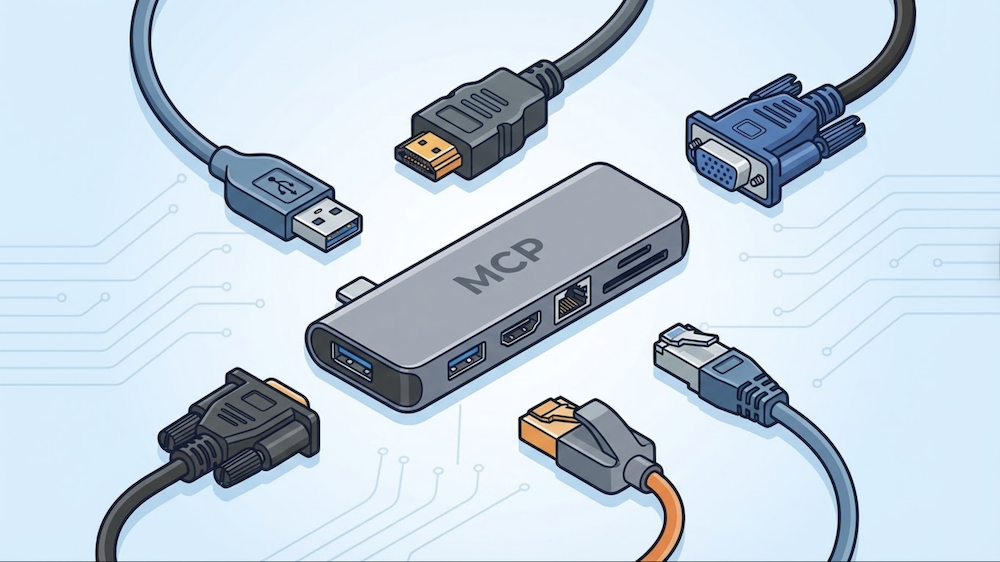
I’ve been using AI agents heavily for software development, and it’s wild how powerful things get once the loop can close:
code → test → deploy → observe → repeat
In pure software, that loop is tight. The agent edits code, runs tests, reads logs, iterates.
But the moment you bring real hardware into the picture, the loop breaks.
The firmware runs on a device the agent can’t see. The logs are trapped in a serial console. The product surface lives behind BLE. The execution state is locked behind a debug probe.
This series is about stitching that loop back together.
Each post introduces an MCP (Model Context Protocol) server that gives AI agents direct, stateful access to a real hardware interface — BLE, serial, or debug probes.
The goal is simple: let the agent observe, interact with, and reason about a live embedded system.
It’s a small step toward closing the gap between “AI that can reason about the physical world” and “AI that can actually interact with it.”
The series
-
What Is MCP? — The protocol that makes all of this work. What MCP is, where it came from, and why it matters for hardware.
-
BLE MCP Server — Giving the agent access to Bluetooth Low Energy. Scan, connect, read characteristics, subscribe to notifications. The poke→spec→plugin development arc.
-
Serial MCP Server — Giving the agent a seat at the serial console. Boot banners, CLI commands, debug logs, PTY mirroring, control lines.
-
BLE + Serial Demo — Both interfaces at once against the same device. The agent correlates the product surface (BLE) with the debug surface (serial) to find and recover from a firmware bug.
-
Debug Probe MCP Server — The deepest level of access. Halt the CPU, set breakpoints, inspect registers and memory, and flash firmware — giving the agent direct access to execution state, not just logs or external behavior.
-
Same Hardware Tools, Every AI Agent — The same MCP servers working across Claude Code, VS Code + Copilot, and Cursor. Write the server once, any agent can use it.
Repos
Taken together, these interfaces form an AI-native hardware control plane — a standardized surface between reasoning and physical execution.